


Market Nights

EVERY THURSDAY, 5 to 8 PM
Source your food from ETX farmers offering locally grown produce, honey, meats, eggs, and artisanal products. Food trucks, live music …
Upcoming Event

THURSDAY, OCT 29th, 6 to 8 PM
Grab your friends and join us for Plant Bingo during Market Night! Dessert bar provided.
Featured Article

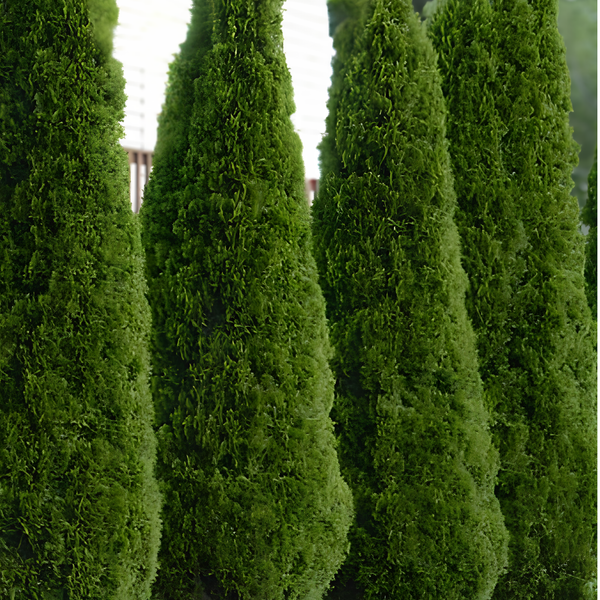
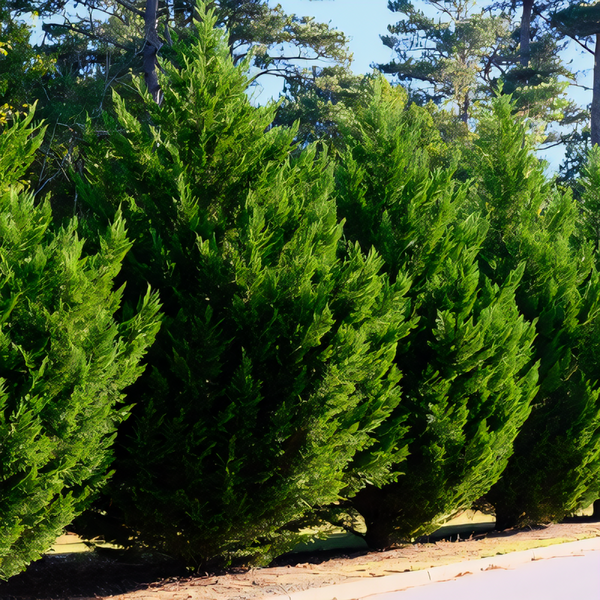
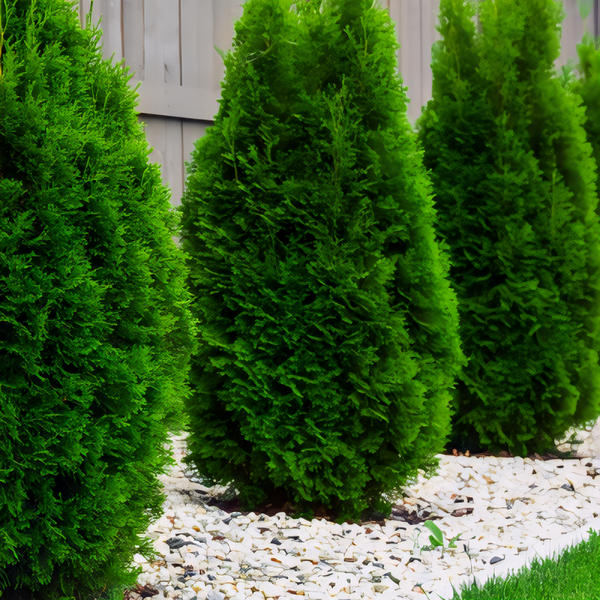
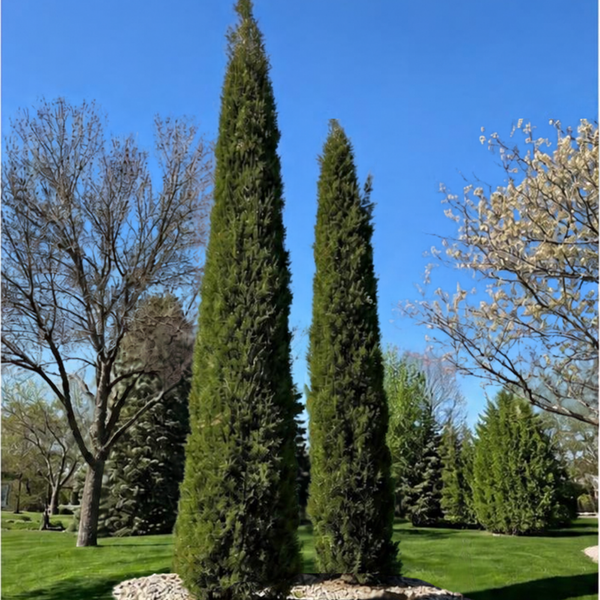
Evergreen Privacy Screens: Taylor Juniper, Leyland Cypress, Emerald Green & Green Giant Arborvitae
Want privacy in the next couple of years instead of waiting a decade? Four evergreens do the job better than any fence. Here is how to pick the right one.


We're proud of our high-quality products and service, but don’t just take it from us. See what our customers are saying...
I received 8 healthy Ponca blackberry plants Packaging was perfect, all of them made it safely home ❤️ Plants were pest free , well rooted and grown Thank you Bob Wells Nursery @ Sorelle Farms! Our North Texas berry garden just got sweeter
Lee
The Kiowa blackberries I ordered were just beautiful, strong, healthy plants. The packaging was the best — even if the package was jostled in shipping, I am confident that the plants would have arrived unharmed. Terrific company and am looking forward to future business with them.
Andrea
This is THE place for fruit trees, herbs, vegetables, and any flowers you could ever think of! We found this place online when searching for fruit tree nurseries around Texas and had a great time visiting for the first time! Ed was able to help us a lot in our process of finding the apple, plum, and peach trees we needed — and is so full of valuable knowledge!
Yen
Zone 7a – Southwest Missouri, I was very nervous about ordering plants online. I did tons of research about the best nurseries selling pomegranates near my zone. Bob Wells nursery had a great history of shipping plants so I contacted them with questions regarding their pomegranate trees. They were quick to respond, kind, and knowledgeable. I placed an order Sunday for two pomegranate trees. The shipping was quick! They arrived Thursday and in great condition. Very green and I’m impressed/surprised with the way they packaged the plants. Exactly as advertised, I can’t wait to order again! Thank you