
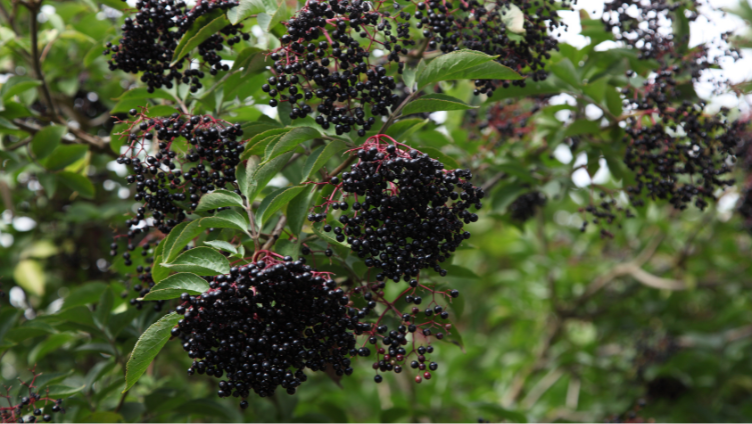
Many gardeners dream of homegrown fruit but dread the upkeep involved in maintaining traditional orchards. Luckily, several hardy, low-maintenance fruiting plants thrive with minimal attention.fruiting plants thrive with minimal attention. These easy-to-care trees, shrubs and vines resist pests, tolerate diverse soils, withstand extreme weather, and reward your efforts with abundant harvests year after year. Check out this selection to find out which ones can thrive in your region.
Our Top 8 Choices
1. Persimmon (Diospyros kaki)
Persimmons add beauty and productivity to any garden with their orange fruit and brilliant fall foliage. They perform well in varied soils and produce reliable crops without extensive pruning or spraying.
- USDA Hardiness Zones: 7–10
- Pollination: Some, like ‘Fuyu’ and ‘Jiro,’ are self-fruitful; others need cross-pollination.
2. Elderberry (Sambucus spp.)
Elderberries are vigorous, low-maintenance shrubs that prefer moist soils and full to partial sun. Their white flower clusters and dark berries attract pollinators and birds. The berries make excellent syrups, wines, and jams.
- USDA Hardiness Zones: 3–9
- Pollination: Requires two or more cultivars for consistent fruiting.
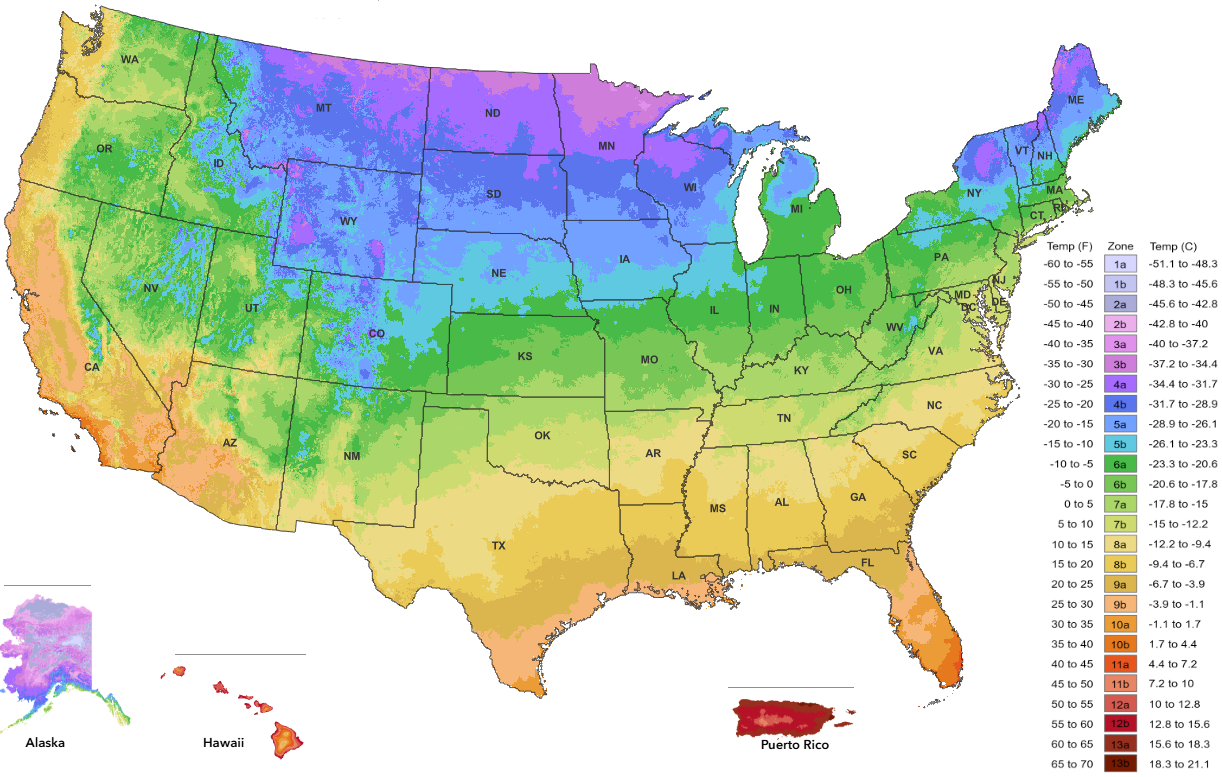
Find Your USDA Hardiness Zone (Click to Enlarge)
3. Muscadine (Vitis rotundifolia)
Native to the southeastern U.S., muscadines thrive where traditional grapes struggle. Their thick-skinned, sweet fruit resists disease, and the vines need minimal fertilizing or spraying. Full sun and a sturdy trellis are their only real requirements.
- USDA Hardiness Zones: 7–10
- Pollination: Female vines need a self-fertile pollinator like ‘Carlos’ or ‘Noble.’
4. Mulberry (Morus spp.)
Mulberries produce generous crops of sweet berries with little care once mature. They tolerate drought, poor soils, and minimal pruning. With rapid growth and long life spans, mulberries make excellent additions to wildlife-friendly gardens.
- USDA Hardiness Zones: 4–9
- Pollination: Many are self-fertile, but planting multiple trees can enhance yield.
5. Pomegranate (Punica granatum)
Pomegranates thrive in hot, dry regions with well-drained soil. They feature bright red blooms in spring and beautiful, ruby-colored fruit in fall. Once established, they withstand drought and resist most pests.
- USDA Hardiness Zones: 7–10
- Pollination: Primarily self-pollinating, though nearby plants may increase production slightly.
6. Jujube (Ziziphus jujube)
The jujube, or Chinese date, is perfect for hot, dry climates. Once established, it needs very little water or fertilizer and resists most pests. Its small, crisp fruits are sweet when fresh and chewy when dried, offering great versatility for snacking or baking.
- USDA Hardiness Zones: 6–10
- Pollination: Mostly self-fruitful, though yields improve with more than one variety planted.
7. Fig (Ficus carica)
Figs are among the easiest fruit trees for busy gardeners. They tolerate neglect, require little fertilizing, and often produce two harvests in warm climates. Their sweet fruit and large, tropical leaves create a lush focal point in any garden.
- USDA Hardiness Zones: 7–10 (some hardy to Zone 6)
- Pollination: Common figs, like ‘Brown Turkey’ and ‘Celeste,’ are self-fruitful and require no pollination.
8. Blackberry (Rubus spp.)
Blackberries are rugged perennials that produce abundant berries with minimal care. Thornless varieties make harvesting simple compared to traditional thorny varieties. Cutting back old canes each winter keeps them productive for years. Acidic soil with a PH of 5.5-6.5 is required.
- USDA Hardiness Zones: 5–10
- Pollination: Self-fertile, but better production with two or more varieties.
Plant Once, Harvest for Years
By choosing these low-maintenance fruiting plants, gardeners can enjoy flavorful, homegrown harvests without heavy upkeep. Whether you live in a humid zone, a dry region, or a cooler climate, there’s a resilient, easy fruit tree or shrub that will thrive in your landscape. With just a little planting effort and seasonal pruning, your garden can deliver delicious rewards for decades.
