

Texas, with its warm climate and varied growing conditions, is a haven for citrus enthusiasts. From tangy oranges to zesty limes, a wide array of citrus trees thrives in the Lone Star State, particularly in the Rio Grande Valley, Central Texas, and coastal regions. Texas consumers have access to numerous citrus varieties, each offering unique flavors, uses, and adaptability to local conditions. Below, we explore the most popular types of citrus trees available and their appeal for home gardeners and commercial growers.
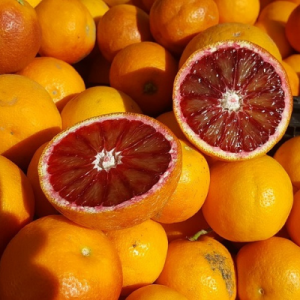 Oranges are a key part of Texas citrus production. The Valencia orange—valued for its juicy, sweet flesh—is excellent for both juicing and fresh eating, and typically ripens in late spring. It grows best in Zones 9–10, especially in South Texas. Navel oranges are another popular choice; they are seedless, easy to peel, and ripen in winter, making them great for fresh eating and gifting. In colder regions such as Central Texas (Zone 8), cold‑hardy Satsuma mandarins are widely planted. Though technically a type of mandarin rather than a true orange, their small, sweet, seedless fruit ripens early (fall to winter) and can withstand brief freezes, making them ideal for backyard growers. Other notable varieties grown in Texas include Marrs, Cara Cara (Red Navel), Hamlin Sweet, Moro Blood, and Republic of Texas.
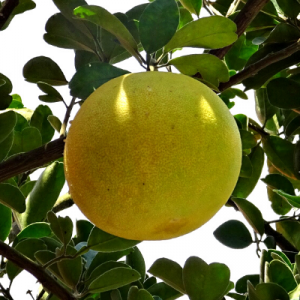 Grapefruits are synonymous with Texas, particularly the Rio Red varieties. Developed in the Rio Grande Valley, these grapefruits boast vibrant red flesh, a balance of sweet and tart flavors, and high vitamin C content. They ripen from late fall to spring and prefer warm, sunny conditions. Grapefruit trees are less cold-tolerant, thriving in Zones 9–10, but with protection, they can grow in slightly cooler areas. Their large, juicy fruits are perfect for breakfast, salads, or juicing.
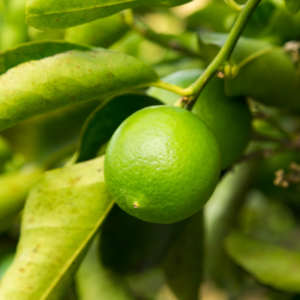 Lemons and Limes add zest to any Texas garden. Improved Meyer lemons—a hybrid between a lemon and a mandarin—are valued for their sweeter, less acidic flavor and thin skins. They are cold‑tolerant enough for Zone 8b and can produce fruit nearly year‑round in warm climates, making them excellent for cooking, baking, and lemonade. Persian limes, the common grocery‑store variety, are known for their juicy, tart flavor and are widely used in beverages, desserts, and savory dishes. Mexican (Key) limes are smaller and more aromatic but not as cold‑hardy. Both lime varieties grow best in the frost‑free regions of South Texas.
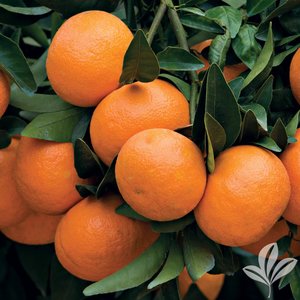 Tangerines and Tangelos offer sweet, easy-to-peel options. Clementine tangerines, small and seedless, are a hit with families for snacking, ripening in late fall. Orlando tangelos, a cross between tangerine and grapefruit, deliver a sweet-tart flavor and are cold-hardy enough for Central Texas. These trees are productive and ornamental, with glossy foliage and fragrant blossoms. The Minneola Tangelo tree, also called the HoneyBell Orange tree, produces a citrus hybrid created from the Duncan grapefruit and the Dancy tangerine. Its juicy fruit is known for a sweet, mildly tangy flavor that balances both sweetness and tartness.
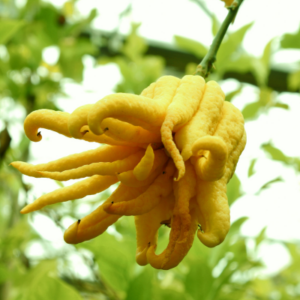 Specialty Citrus varieties are gaining traction among Texas consumers. Calamondin, a small, tart fruit used in marmalades or as a garnish, is highly cold-tolerant and often grown in containers for patios. Kumquats, with their edible, sweet-tart rinds, are another compact option, perfect for small gardens or indoor growing in colder regions. Buddha’s Hand Citron has distinctive yellow “fingers” that open as it ripens, releasing an intense fragrance reminiscent of lemon blossom and lavender. Its zest is sweet and aromatic, and although the fruit is composed entirely of peel and white pith, it remains highly versatile. Common uses include zesting, infusing spirits, candying, or even serving as a natural air freshener due to its bright, lingering aroma.
Texas consumers should select citrus trees based on their local climate, soil (well-drained, slightly acidic), and space. Most citrus trees perform best in full sun and require protection during periods of freezing weather, especially in Central and North Texas. Citrus can be grown in containers and simply moved indoors near a sunny window during the winter. With the right care, these trees can produce plenty of fruit and add a delicious boost to Texas gardens and kitchens.
