
Planting fruits at home is a step toward health, sustainability, and culinary delight. Certain fruits stand out for their outstanding health benefits and garden adaptability. Here’s why you should consider these exceptional options for your garden.
Apple
Apples are classic, fiber-rich, and packed with vitamin C and polyphenols that help support heart and gut well-being. Common varieties thrive in USDA zones 4-8. Most apples need a companion tree for cross-pollination and fruit set. See more about apple health benefits at Healthline.
Strawberry
Strawberries are loaded with vitamin C, antioxidants, and fiber. Everbearing and June-bearing varieties flourish in raised beds or planters, suited for USDA zones 4-9. Strawberries are self-pollinating, but bee activity can boost yield. Explore nutrition data on Medical News Today.
Jujube
Jujubes offer fiber, vitamin C, potassium, and iron, plus antioxidant flavonoids. Hardy in USDA zones 6-9, they tolerate heat, cold, drought, and poor soil conditions. Several jujubes are self-fertile, but adding a second tree may increase yield. More nutritional information at Healthline.
Blueberry
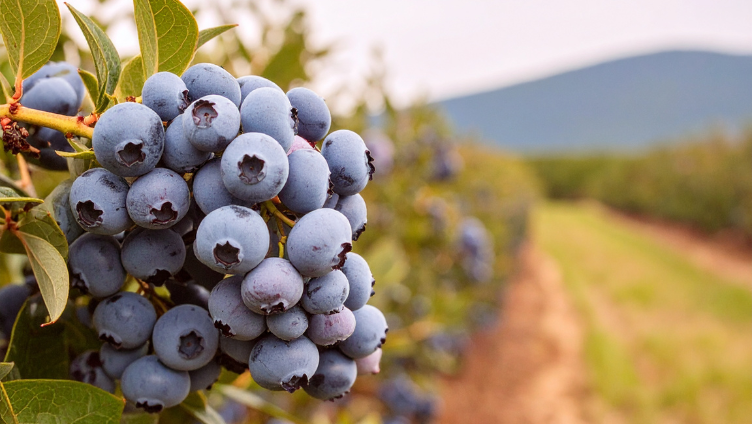
Blueberries pack vitamin C, K, fiber, and anthocyanins, which have strong anti-inflammatory effects. Best suited to USDA zones 3-8 (choose the right variety for your climate). For a robust harvest, plant at least two varieties for cross-pollination. Learn more at Mayo Clinic.
Blackberry
Blackberries feature vitamin C, K, fiber, and manganese as well as antioxidant polyphenols. They grow easily in USDA zones 5-10 and are self-pollinating, making them perfect for hands-off gardeners. Find more details at Medical News Today.
Goji Berry
Goji berries deliver vitamin A, C, fiber, and iron along with potent antioxidants like zeaxanthin. These bushy plants do well in USDA zones 5-9 and are self-fertile, but multiple plants usually improve productivity. Read about their health perks on Healthline.
Pomegranate
Pomegranates shine with vitamin C, potassium, fiber, and punicalagins, among the most powerful plant antioxidants. Perfect for USDA zones 7-10, most pomegranates are self-fertile, though the presence of pollinators like bees helps production. For further details, visit WebMD.
Fruit Nutrition & Health Benefit Comparison
| Fruit | Key Nutrients | Antioxidants/Compounds | Main Health Benefits | USDA Zones | Pollination |
| Apple | Vit C, Fiber | Polyphenols | Heart/gut health, blood sugar | 4-8 | Needs 2+ vars |
| Strawberry | Vit C, Folate, Fiber | Fisetin, Ellagic acid | Heart, skin health | 4-9 | Often self |
| Jujube | Vit C, Fiber, Potassium | Flavonoids, Triterpenes | Immunity, gut, sleep | 6-9 | Usually self |
| Blueberry | Vit C, K, Fiber, Mn | Anthocyanins | Brain, heart, anti-inflammatory | 3-8 | Needs 2+ vars |
| Blackberry | Vit C, K, Fiber, Mn | Anthocyanins, Polyphenols | Bone/oral health, heart, gut, brain | 5-10 | Self |
| Goji Berry | Vit A, C, Fiber, Iron | Zeaxanthin, Polysaccharides | Immunity, eye health, longevity | 5-9 | Self |
| Pomegranate | Vit C, Potassium, Fiber | Punicalagins | Heart, anti-inflammatory, immunity | 7-10 | Self |
Choosing from these backyard gems offers not just a vibrant landscape, but also a lasting resource for your well-being from garden to table. For more on the science behind superfruits, see the USDA’s National Nutrient Database and the medical resources mentioned above.
